NHS vs Private ADHD Assessment: Which Should You Choose?
Quick Answer
Choose the NHS route if you can wait and want a free assessment. Choose private if you need answers within weeks and can pay. Consider NHS Right to Choose if you live in England, want a free assessment and can accept a wait that varies by area. The right choice depends on your budget, your timeline and how much ADHD is affecting your work and daily life right now.
Why This Decision Matters
If you suspect you have ADHD, you probably know the pattern: missed deadlines, ten tasks started and two finished, and a constant feeling of working twice as hard for the same result. A diagnosis can change that. It opens the door to treatment, coaching, workplace adjustments and a clearer understanding of yourself.
The hard part is getting there. In the UK there are three main routes: the standard NHS pathway, NHS Right to Choose (England only) and a fully private assessment. All three aim to reach the same diagnosis, but they differ in speed, cost and what happens afterwards.
This guide is for UK adults who are new to the process. Rules differ in Scotland, Wales and Northern Ireland, so check with your local NHS board.
The Three Routes at a Glance
Standard NHS | NHS Right to Choose | Private | |
Cost to you | Free | Free | Roughly £500 to £2,300 |
Typical wait | Months to several years | Weeks to 2+ years, depending on area | Usually 1 to 6 weeks |
Who refers you | GP | GP | You can self-refer |
Medication afterwards | NHS | NHS, if the provider offers it | Private, or shared care with your GP |
Availability | UK-wide | England only | UK-wide |
Prices and waits change often, so treat these as guides and confirm them with each provider.
Route 1: The Standard NHS Assessment
How it works: You ask your GP for a referral to your local adult ADHD or mental health service. You join a waiting list and are later assessed by a specialist team.
The good points:
- It costs you nothing.
- Your care stays within one system, which makes medication reviews and follow-ups simpler.
- Assessments follow national NICE guidance.
The drawbacks:
- Waiting is the big one. The NHS England ADHD Taskforce final report, published in November 2025, found that some people wait more than two years, and in some areas waits have reached many years.
- Some local services have tightened referral criteria or paused new referrals because of budget pressure.
- You have little say over when or where you are seen.
Best for: People who are not in urgent need, have stable work and home lives, and can manage while they wait.
Route 2: NHS Right to Choose
How it works: If you live in England, you can ask your GP to refer you to an approved independent provider for an NHS-funded assessment. You choose the provider, and it costs you nothing.
The good points:
- It is free at the point of use.
- Waits can be shorter than your local NHS service, and some providers currently report very short waits outside certain areas.
- You can compare providers before you decide.
The drawbacks:
- Demand is heavy, and waits vary sharply by region. Some providers say local budget limits mean many patients wait longer than they were first told. Others have paused new booking dates in certain areas until more funding is agreed.
- A few areas have introduced minimum waiting times, so check your own ICB before you plan around it.
- You still need your GP to make the referral.
Best for: People in England who want a free assessment and can tolerate some uncertainty about the wait.
Route 3: A Private ADHD Assessment
How it works: You book directly with a private clinic. A GP referral is usually not needed, though some clinics ask for your GP’s details. You complete questionnaires, attend a clinical interview and receive a written report.
The good points:
- It is fast. Reputable UK private providers currently offer appointments within about 2 to 6 weeks.
- You choose the clinician, the date and the format.
- The report can support requests for workplace adjustments.
The drawbacks:
- Cost. Prices vary widely, from around £495 for some online options to £2,300 or more for others.
- Medication and follow-up appointments may cost extra.
- Quality is uneven, so you need to check before you pay.
Best for: People whose career, business, studies or mental health cannot afford a long wait, and who have the budget.
What About Online Assessments?
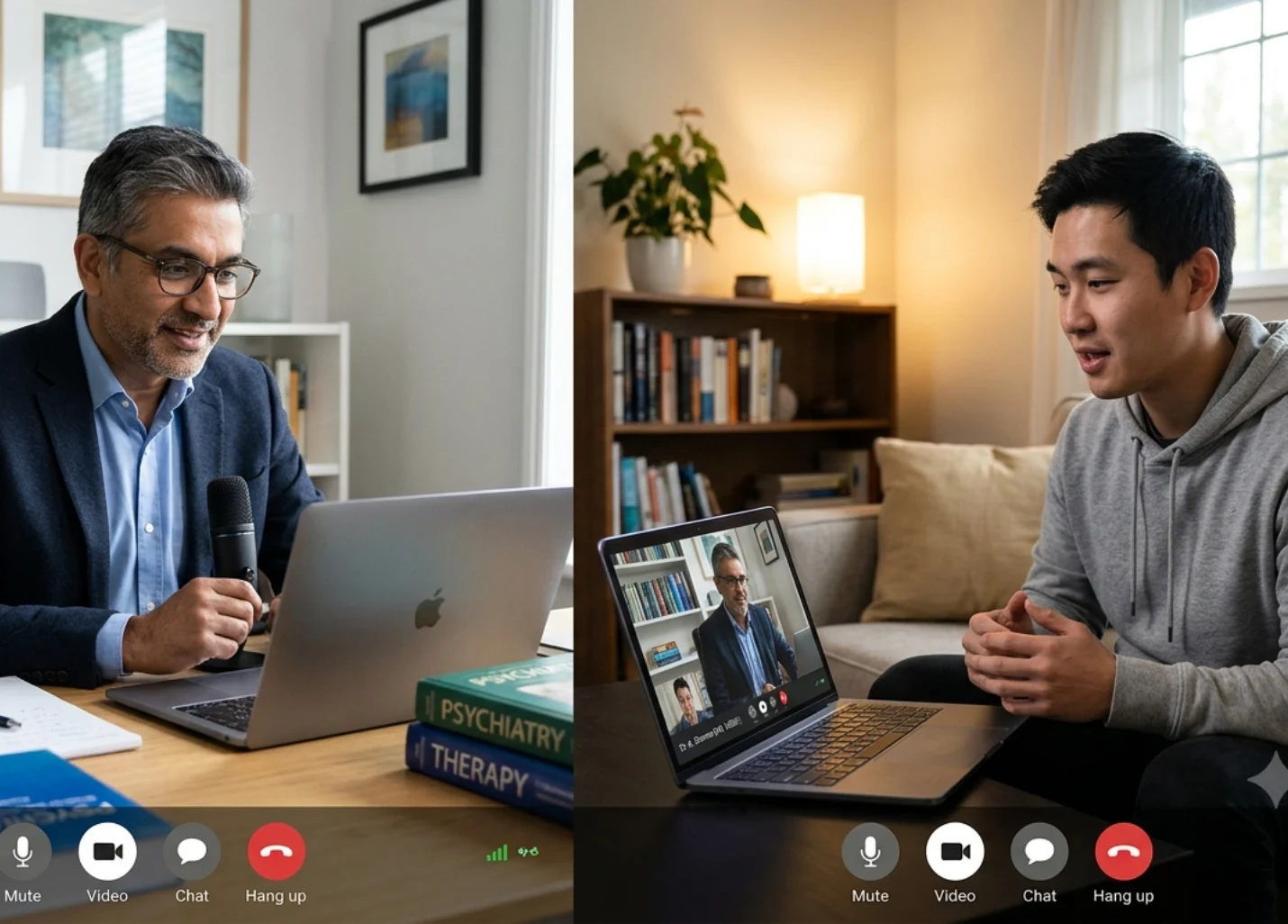
Many private clinics now run appointments by video. If you are researching a Private Online ADHD Diagnosis, the same standards apply as in a face-to-face clinic. The clinician should hold the right professional registration, the clinic should be regulated (for example by the CQC in England), and the interview should use validated tools and take a proper amount of time. Be wary of any service that promises a diagnosis in 15 minutes.
Online screening questionnaires are common too. A free online ADHD test for adults can tell you whether a full assessment is worth pursuing, but it cannot diagnose ADHD. Treat the result as a starting point, not an answer. If you would like to talk through your options before booking anything, you can get in touch with Pondermind
The Hidden Factor: Shared Care
This is where many people get caught out. Shared care means your GP takes over prescribing your ADHD medication after a specialist has diagnosed you and set your dose. It matters because it moves your long-term prescriptions back to NHS prescription prices rather than ongoing private fees.
The catch is that shared care is voluntary. Your GP can say no. If they do, you either stay with an NHS-funded provider where that is possible, or pay privately for ongoing prescriptions. Policies vary by GP practice and by ICB.
Before you book any private assessment:
- Ask your GP practice whether it accepts shared care for adult ADHD, and from which providers.
- Ask the clinic whether it will keep prescribing if your GP declines, and what that costs.
- Check that the clinic’s report meets NICE-aligned standards, so your GP has no reason to reject it.
What a Good Assessment Should Include
Whichever route you take, a reliable assessment should:
- Be carried out by a suitably qualified specialist (such as a psychiatrist, psychologist or trained clinician)
- Include a detailed interview about your current symptoms and your childhood history
- Use recognised diagnostic tools, such as DIVA-5
- Consider other explanations, such as anxiety, depression, sleep problems or autism
- End with a written report explaining the outcome, whatever it is
If a provider skips most of this, treat it as a warning sign.
How to Choose: Five Questions to Ask Yourself
- How urgent is this?
If ADHD is threatening your job, business, studies or wellbeing right now, speed matters. If it is manageable, NHS or Right to Choose is a reasonable path. - What is your budget?
Add up the assessment, any medication titration and ongoing reviews, not just the headline price. - Do you live in England?
If yes, Right to Choose is worth investigating before you spend money. - Will your GP accept shared care?
This can change your long-term costs a great deal. - What do you need the diagnosis for?
If you need a report for workplace adjustments or university support, check the report format will be accepted there.
A Practical Note for Busy Professionals and Business Owners
Untreated ADHD can be expensive. Missed deadlines, disorganised admin, impulsive decisions, burnout and constant task-switching all cost time and money. If you run a business or manage a team, a wait of a year or more can carry a real financial and personal cost.
That does not mean private is always the answer. It does mean you should compare the price of an assessment against the cost of waiting, not just against zero. For some people, paying once to get answers in weeks is the more sensible investment. For others, Right to Choose gets them there at no cost, with a wait they can handle.
Common Mistakes to Avoid
- Booking the cheapest option without checking credentials. A report your GP will not accept can waste your money.
- Skipping the shared care conversation. This is the most common source of surprise costs.
- Treating a screening test as a diagnosis. It is not one.
- Ignoring local variation. Waits differ a lot between regions.
- Giving up after one setback. If a GP hesitates over Right to Choose, ask them to explain the clinical reason.
Final Thoughts
There is no single best answer to the NHS vs private ADHD assessment question. The NHS route costs nothing but can take a long time. Right to Choose is free and often quicker, but depends on where you live. Private is the fastest, at a price, and needs careful checking around quality and shared care.
Start by working out how urgent your situation is and what you can afford. Then speak to your GP, ask the right questions and choose the route that gets you answers without creating new problems.
Frequently Asked Questions
Is a private ADHD diagnosis as valid as an NHS one?
Yes, if a suitably qualified clinician carries out the assessment using recognised methods. The diagnosis is the same. What can differ is whether your GP agrees to take over prescribing.
How long does an NHS ADHD assessment take?
It varies widely by area, from several months to years in some places. Ask your GP or local ICB for current figures, as they change often.
What is NHS Right to Choose for ADHD?
It is a right in England that lets you ask your GP to refer you to an approved provider for an NHS-funded assessment. It is free to you, though waits vary by area.
How much does a private ADHD assessment cost in the UK?
Prices commonly range from around £500 to over £2,000, depending on the clinic, the depth of the assessment and whether follow-up is included. Always ask what is and is not covered.
Will my GP prescribe ADHD medication after a private diagnosis?
Not necessarily. Shared care is voluntary, and some practices decline it. Check before you book.
Can I get an ADHD diagnosis online?
Yes, many regulated clinics assess by video call. Check their registration, the length of the interview and the tools they use.
Should I take a free online screening first?
It can help you decide whether to pursue an assessment, but it cannot diagnose ADHD.
Can I switch from NHS to private if the wait is too long?
Yes, many people do, and you can usually stay on the NHS list while you decide. Let your GP know if you switch.
Will an ADHD diagnosis help at work?
It can. A written report can support requests for reasonable adjustments, though employers decide how to respond within the law.
Is medication compulsory after a diagnosis?
No. Treatment is your choice. Options include medication, coaching, therapy and practical strategies.
Stop guessing. Start with a plan.
You don’t need to decide everything today. Take these steps this week:
- Ask your GP practice about their Right to Choose and shared care policy.
- Write down five ways ADHD affects your work or daily life. It makes any assessment, NHS or private, more useful.
- Talk to the team at Pondermind. We’ll help you work out which route fits your situation, even if that turns out to be the NHS.
If you are struggling with your mental health or in crisis, contact your GP, call NHS 111, or call Samaritans free on 116 123. In an emergency, call 999.