Online ADHD Test vs Full Clinical Assessment: What's the Difference?
You’re missing deadlines, your inbox is out of control, and meetings drift past you even though you’re smart and capable. Then a friend says, “Have you thought about ADHD?” A quick search shows dozens of free tests that promise answers in five minutes.
Are those tests reliable? Can they replace a proper diagnosis? This beginner guide explains the differences between an online ADHD test and a full clinical assessment, so you can pick the right next step.
Quick Answer
An online ADHD test is a screening tool. A full clinical assessment is a diagnosis.
- An online test takes 3 to 15 minutes and shows whether your symptoms resemble ADHD.
- A clinical assessment is a structured evaluation with a qualified specialist. It can confirm or rule out ADHD and lead to a treatment plan.
- A screening result is not a diagnosis. Only a clinician can diagnose ADHD.
What Is an Online ADHD Test?
An online ADHD test is a short questionnaire. You rate how often you experience things like:
- Losing focus during tasks
- Struggling to finish projects
- Feeling restless or “driven by a motor”
- Interrupting others or acting impulsively
- Forgetting appointments or misplacing items
Many tests are based on recognised screening tools. One well-known example is the Adult ADHD Self-Report Scale (ASRS), developed with the World Health Organization. Its short version has only six questions.
What it does well:
- Gives you a first signal that your struggles may be worth exploring
- Puts language to experiences you couldn’t name before
- Is fast, private, and usually free or low cost
- Helps you prepare notes for a doctor
Where it falls short:
- It relies entirely on your own answers, so mood, stress, or a bad week can skew results
- It can’t check your childhood history, which matters for diagnosis
- It can’t rule out look-alike conditions
- It can’t prescribe, recommend treatment, or support workplace adjustments
What Is a Full Clinical Assessment?
A full clinical assessment is a detailed evaluation by a trained professional, such as a psychiatrist or a specialist psychologist or clinician with ADHD training. Instead of one questionnaire, you get a complete picture of your life.
A thorough assessment usually includes:
- A structured clinical interview. This is often 60 to 120 minutes. A tool such as DIVA-5 is commonly used to explore attention, hyperactivity, and impulsivity across adulthood and childhood.
- Developmental history. ADHD is a neurodevelopmental condition. Under DSM-5 criteria, several symptoms should have been present before age 12.
- Impact across settings. Symptoms need to appear in more than one area of life, such as work and home, and cause real difficulty.
- Rating scales and questionnaires. These are often completed by you and sometimes by a partner, parent, or colleague.
- Screening for other conditions. Anxiety, depression, bipolar disorder, trauma, sleep problems, and thyroid issues can all mimic or overlap with ADHD.
- A written report and treatment guidance. This may cover medication, therapy, coaching, and workplace strategies.
Sensory Sensitivities
Sensory processing differences are increasingly recognized as a core feature of autism. These can include:
- Sound sensitivity – everyday noises like a vacuum, overlapping conversations, or sudden sounds feeling overwhelming.
- Light sensitivity, particularly to fluorescent lighting or bright, flickering environments.
- Touch sensitivity, such as discomfort with clothing tags, certain fabrics, or unexpected physical contact.
- Strong food preferences based on texture, smell, or appearance rather than taste alone.
- Feeling overwhelmed in busy places like malls, airports, or crowded restaurants, often needing quiet time afterward to recover.
- Sensory seeking, where a person actively looks for certain textures, movement, sounds, or visual patterns.
Online ADHD Test vs Full Clinical Assessment: Side-by-Side Comparison
Feature | Online ADHD Test | Full Clinical Assessment |
Purpose | Screening (is further checking needed?) | Diagnosis (yes, no, or something else) |
Time needed | 3 to 15 minutes | Typically 1 to 3 hours, sometimes across sessions |
Done by | You, alone | Qualified clinician |
Childhood history | Rarely included | Central to the process |
Rules out other conditions | No | Yes |
Result | A score or risk level | A formal diagnosis and report |
Access to treatment | None | Yes, including medication where suitable |
Workplace support evidence | Not accepted | Usually needed |
Cost | Free to low | Higher, varies by provider and country |
Why the Difference Matters More Than You Think
1. False alarms and missed cases
A screener can flag ADHD in someone whose real issue is chronic stress, burnout, poor sleep, or anxiety. It can also miss ADHD in people who have learned to mask symptoms, which is common among high-achieving adults and many women.
2. Symptoms overlap with other conditions
Trouble concentrating is a symptom of many things. Without a professional looking at the full picture, you might treat the wrong problem.
3. Only a diagnosis unlocks formal support
Medication, structured therapy, and formal workplace adjustments generally require a diagnosis from a qualified professional. In the UK, for example, adjustments under the Equality Act 2010 and support through Access to Work are much easier to obtain with a documented diagnosis. Rules differ by country, so check local guidance.
Why This Matters for Business Owners and Team Leaders
Undiagnosed ADHD rarely stays “personal”. It shows up in business results:
- Missed deadlines and unfinished projects that slow delivery
- Decision fatigue and disorganisation for founders juggling everything
- Impulsive spending or hiring choices that affect cash flow
- Burnout and turnover when talented employees quietly struggle
- Lost productivity from long waits for care
Many owners and managers use online screeners as a first step, and that is sensible. The mistake is stopping there. A screening score gives you a hint, but a full assessment gives you evidence, a plan, and a route to support that can improve focus, output, and wellbeing.
If you manage a team, remember that you should never diagnose employees. What you can do is offer a supportive culture, flexible working, and information about how staff can seek proper assessments.
When Is an Online ADHD Test a Good Starting Point?
An online test is useful if you:
- Are curious and want a low-pressure first look
- Want to organise your thoughts before seeing a clinician
- Want to know whether it’s worth booking an assessment
- Need language to explain your experiences to a GP or specialist
It is not enough if you:
- Need medication or formal treatment
- Need documentation for work or education
- Have severe mood symptoms, anxiety, or safety concerns
- Are making major life decisions based on the result
Can a Full Assessment Be Done Online?
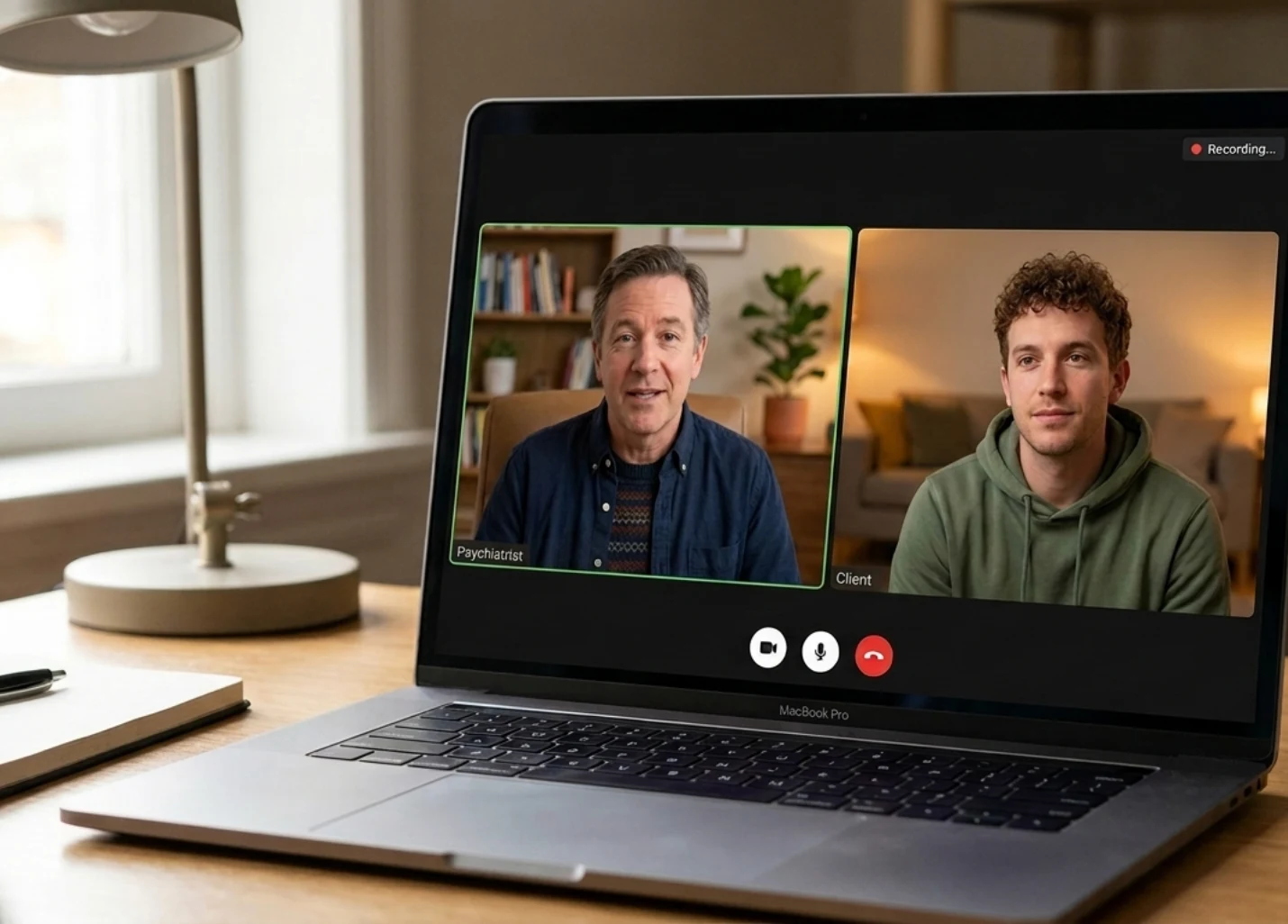
Yes. Many reputable clinicians now run assessments by video call, and this can be just as thorough as an in-person visit when done properly. What matters is how it’s done, not where. Options such as a Private Online ADHD Diagnosis can save time compared with long public waiting lists, provided the provider follows a full, evidence-based process.
Green flags to look for in a provider:
- Clinicians are registered with a recognised professional body
- A structured interview, not just a questionnaire
- Childhood history and other conditions are explored
- A clear written report and a treatment plan or shared-care guidance
- Transparent pricing, including follow-up costs
- No guarantee of a diagnosis
Red flags:
- Diagnosis in 10 minutes
- A “result” based only on a quiz
- Pressure to buy medication or packages
- No named, verifiable clinician
What About Computer-Based Tests?
Some clinics add computerised attention tests, such as continuous performance tests, to an assessment. These measure focus, reaction time, and impulse control. They can add useful objective data, but they are only supporting evidence. They cannot diagnose ADHD on their own, because they don’t capture history, context, or other conditions.
Your Step-by-Step Path: From Curiosity to Clarity
- Notice the pattern. Write down where attention, organisation, or impulsivity cause problems, and how long they have been present.
- Take a reputable online screener. Treat the result as information, not a verdict.
- Gather history. Old school reports and feedback from family or colleagues can help.
- Choose your route. Options include your GP, a public service, or a private clinic. If you’re searching for an online ADHD test for adults in London, check that any follow-up leads to a genuine clinician-led assessment rather than ending at a score.
- Attend the full assessment. Be honest, including about your struggles and your strengths.
- Act on the outcome. Follow the treatment plan, adjust your routines, and use workplace supports.
Key Takeaways
- An online ADHD test screens. A clinical assessment diagnoses.
- Screening tools are quick and helpful, but they can’t check history or rule out other conditions.
- A full assessment leads to a diagnosis, a report, treatment options, and workplace support.
- For business owners, early clarity protects productivity, finances, and wellbeing.
- The best approach is to use both in order: screen first, then assess properly.
Frequently Asked Questions
Can an online ADHD test diagnose ADHD?
No. It can only indicate whether your symptoms are consistent with ADHD. A diagnosis requires a clinical assessment by a qualified professional.
How accurate are online ADHD tests?
Accuracy varies. Well-designed screeners can be useful for spotting likely ADHD, but they depend on self-reporting and can produce false positives and false negatives. They should never be the final word.
How long does a full ADHD assessment take?
Most adult assessments take between one and three hours, sometimes split over more than one appointment, followed by a written report.
What happens if my online test says "high likelihood of ADHD"?
Treat it as a reason to seek a professional assessment. Book with your GP or a qualified clinician and bring your results and notes with you.
Can adults be diagnosed with ADHD for the first time?
Yes. Many adults, especially women and high-functioning professionals, are diagnosed later in life because their symptoms were missed or masked in childhood.
Is a video-call ADHD assessment valid?
Yes, when carried out by a qualified clinician using a structured, evidence-based process. Confirm the clinician’s credentials before booking.
Do I need my childhood records for an assessment?
They help but aren’t always essential. Clinicians may also use your own recollections and input from parents, siblings, or partners.
Can stress or anxiety look like ADHD?
Yes. Stress, anxiety, depression, poor sleep, and burnout can cause similar symptoms. This is one reason a full assessment matters.
Will an ADHD diagnosis help me at work?
It can. A formal diagnosis is usually needed to request workplace adjustments, such as flexible schedules, clearer task structures, or assistive tools, depending on your country’s rules.
What should I do first if I suspect ADHD?
Take a reputable screener, write down your symptoms and history, and speak to a qualified healthcare professional about a full assessment.
Ready to Move From Guesswork to Clarity?
A quiz can tell you something might be going on. It can’t tell you what, or what to do next.
Stop wondering. Start knowing.
Book a confidential consultation with a qualified specialist and take the step that changes your focus, your work, and your peace of mind. Your first answer is one conversation away.
Disclaimer:
This article is for educational purposes and does not replace professional medical advice. Only a qualified clinician can diagnose ADHD.